
Introduction to Sesame Seeds in the Global Export Market
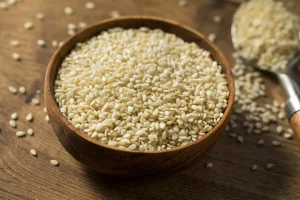
Sesame seeds are one of the oldest oilseed crops in the world. Today, they play a major role in international food trade. Many countries depend on imported sesame seeds for food processing, oil production, and bakery products. Because of this demand, learning how to choose high-quality sesame seeds for export buyers has become essential for traders, exporters, and importers alike.
In simple terms, sesame seeds must meet strict quality standards before they can enter global markets. Buyers expect clean seeds, uniform color, high oil content, and safe moisture levels. When exporters understand how to choose high-quality sesame seeds for export buyers, they can build strong business relationships and maintain trust in global markets.
Sesame seeds are widely used in foods such as:
Tahini
Halva
Bakery toppings
Sesame oil
Asian sauces and snacks
According to the Food and Agriculture Organization, sesame production continues to grow because consumers prefer natural and healthy oils. You can learn more about global sesame trade trends from the FAO here:
https://www.fao.org
Why Export Buyers Demand High Quality
Export buyers face strict regulations in their countries. Food safety authorities inspect imported agricultural products carefully. If sesame seeds contain dust, stones, or harmful bacteria, shipments may be rejected.
Therefore, buyers focus strongly on quality parameters such as:
Purity level
Moisture percentage
Color uniformity
Absence of contaminants
Understanding how to choose high-quality sesame seeds for export buyers helps exporters reduce shipment risks and increase their reputation in international markets.
Major Importing Countries
Some of the largest sesame importing markets include:
| Country | Main Use |
|---|---|
| Japan | Premium food processing |
| China | Oil extraction |
| Turkey | Halva and tahini |
| South Korea | Roasted sesame products |
| UAE | Food manufacturing |
Each market has its own specifications, so exporters must carefully follow buyer requirements.
Understanding the Grades of Sesame Seeds
Before discussing how to choose high-quality sesame seeds for export buyers, it’s important to understand sesame seed grades. Sesame seeds are classified based on color, processing type, and cleanliness.
Natural vs Hulled Sesame Seeds
Two main categories dominate the export market.
Natural Sesame Seeds

Seeds with their outer shell intact
Usually used for oil extraction
Slightly darker color
Lower processing cost
Hulled Sesame Seeds
Outer husk removed
Bright white appearance
Preferred for bakery and food decoration
Higher export value
Many buyers specifically request hulled seeds because they look cleaner and taste milder.
White, Brown, and Black Sesame Seeds

Sesame seeds also vary by color.
| Type | Characteristics | Common Uses |
|---|---|---|
| White Sesame | Mild flavor, high oil | Bakery and tahini |
| Brown Sesame | Strong flavor | Oil extraction |
| Black Sesame | Rich aroma | Asian cuisine |
When exporters learn how to choose high-quality sesame seeds for export buyers, they also learn which color variety suits each market.
10 Expert Checks to Identify High-Quality Sesame Seeds for Export Buyers

Selecting export-grade sesame seeds requires careful inspection. Professionals in the industry follow a checklist before approving a shipment. These ten checks explain how to choose high-quality sesame seeds for export buyers with confidence.
Check 1: Seed Color and Uniformity
Color is the first thing buyers notice. High-quality sesame seeds should have a consistent color. Mixed colors often indicate poor sorting.
For example:
Premium white sesame should appear creamy white.
Black sesame should be deep black with minimal variation.
Uneven color may suggest contamination or mixing with lower grades.
Check 2: Purity Level
Purity means the percentage of sesame seeds compared to foreign materials.
Foreign materials include:
Stones
Dust
Sand
Plant stems
Export buyers usually require purity levels of 99% or higher. Cleaning machines such as gravity separators help achieve this level.
Check 3: Moisture Content
Moisture is one of the most important quality indicators.
If moisture is too high, sesame seeds may develop:
Mold
Fungal growth
Bad odor
Most export buyers require moisture between 6% and 8%. Exporters must test moisture levels using digital moisture meters before shipment.
Check 4: Oil Content
Sesame seeds are valued mainly for their oil. High-quality seeds usually contain 50% or more oil content.
Oil content affects:
Taste
Nutritional value
Processing efficiency
Buyers prefer seeds with high oil yield because it improves production efficiency.
Check 5: Aroma and Freshness
Fresh sesame seeds have a mild nutty aroma. If the seeds smell stale or sour, they may be old or improperly stored.
To check freshness:
Rub seeds gently between fingers
Smell the aroma
Look for discoloration
This simple step helps exporters understand how to choose high-quality sesame seeds for export buyers.
Check 6: Size and Shape Consistency
Uniform seed size improves product appearance. Food manufacturers prefer seeds that look consistent.
Benefits include:
Better roasting quality
Attractive product presentation
Efficient packaging
Mechanical grading machines help sort seeds by size.
Check 7: Cleanliness and Sorting
Clean seeds are critical for export quality.
Export-grade sesame seeds should be:
Dust-free
Stone-free
Properly sorted
Processing plants often use equipment like:
Air classifiers
Magnetic separators
Color sorters
These technologies ensure the seeds meet international standards.
Check 8: Microbial Safety
Food safety is a top priority in international trade. Sesame seeds must be free from harmful bacteria.
Common tests include:
Salmonella testing
Aflatoxin testing
Microbial load analysis
Without these tests, shipments risk rejection at destination ports.
Check 9: Packaging Standards
Packaging protects sesame seeds during transportation.
Common export packaging options include:
25 kg PP bags
Kraft paper bags
Vacuum packaging
Proper packaging prevents moisture absorption and contamination.
Check 10: Certification and Documentation
Reliable exporters provide documentation that proves product quality.
Important certificates include:
Phytosanitary certificate
Certificate of origin
Quality inspection report
Organic certification (if applicable)
Understanding how to choose high-quality sesame seeds for export buyers also means ensuring these documents are accurate and complete.
Common Quality Standards for Sesame Seed Export
Export markets operate under strict food safety regulations.
ISO and HACCP Standards
Many international buyers require suppliers to follow:
ISO food safety standards
HACCP certification
These systems ensure safe production, processing, and packaging.
Organic and Fair Trade Certification
Premium markets increasingly demand certified products.
Organic sesame seeds must follow:
No synthetic pesticides
Natural farming methods
Certified organic processing
This segment often sells at higher prices.
Best Practices for Exporters Supplying Sesame Seeds
Exporters who consistently deliver quality follow strict procedures.
Storage and Handling
Proper storage protects sesame seeds from spoilage.
Best storage practices include:
Cool and dry warehouses
Palletized bag stacking
Pest control systems
Poor storage can quickly destroy seed quality.
Logistics and Shipping
During shipping, sesame seeds must remain protected from humidity.
Exporters often use:
Container liners
Moisture absorbers
Sealed packaging
These precautions help maintain quality until the shipment reaches the buyer.
Market Trends for Sesame Seeds Export Buyers
Demand for sesame seeds continues to grow worldwide. Health-conscious consumers are choosing foods rich in natural oils and nutrients.
Sesame seeds contain:
Healthy fats
Calcium
Magnesium
Protein
Because of these benefits, more food manufacturers are increasing sesame usage.
Rising Demand in Health Foods
Modern diets increasingly include plant-based ingredients. Sesame seeds fit well in:
Vegan foods
Energy bars
Organic snacks
As a result, exporters who understand how to choose high-quality sesame seeds for export buyers gain strong market advantages.
Future Opportunities for Exporters
Several trends suggest continued growth in the sesame market:
Expanding Asian cuisine popularity
Growth of plant-based diets
Rising demand for natural oils
Exporters who maintain strict quality standards will benefit most from these opportunities.
FAQs About Choosing High-Quality Sesame Seeds for Export Buyers
1. What moisture level is ideal for export-quality sesame seeds?
Most buyers prefer moisture between 6% and 8%. This range prevents mold growth and ensures longer shelf life.
2. Why is purity important in sesame seed exports?
High purity means fewer foreign materials like stones or dust. Buyers often require 99% purity or higher.
3. Which sesame seed variety is most demanded internationally?
White sesame seeds are widely demanded for bakery products and tahini production.
4. How do exporters test sesame seed quality?
They use laboratory tests for moisture, oil content, microbial safety, and contamination levels.
5. What packaging is best for sesame seed export?
Polypropylene bags, kraft paper bags, and vacuum packaging are commonly used to protect seeds during shipping.
6. Do sesame seeds require certification for export?
Yes. Most shipments require documents such as a phytosanitary certificate, certificate of origin, and quality inspection report.
Conclusion
The sesame trade is competitive, and quality plays a central role in success. Exporters who understand how to choose high-quality sesame seeds for export buyers can build stronger partnerships and secure long-term contracts.
By focusing on purity, moisture control, proper sorting, and international certifications, exporters ensure their sesame seeds meet global standards. At the same time, proper storage, safe packaging, and reliable documentation protect shipments during international transport.
As global demand for natural and healthy foods continues to rise, exporters who master how to choose high-quality sesame seeds for export buyers will remain ahead in the growing sesame industry.