
Introduction to Sesame Seeds in the Global Export Market
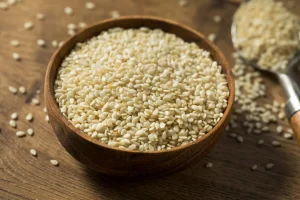
Sesame seeds are one of the oldest oilseed crops in the world, playing a major role in international food trade. Many countries depend heavily on imported sesame seeds for food processing, commercial oil extraction, and large-scale bakery production. Because of this massive global demand, learning how to choose high-quality sesame seeds for export buyers has become essential for traders, exporters, and supply chain managers alike.
In simple terms, sesame seeds must meet strict quality standards before entering international ports. Global buyers expect clean seeds, uniform color, high oil content, and safe moisture levels. When exporters master how to evaluate these parameters, they can build strong business relationships and maintain long-term trade trust.
Sesame seeds are widely used by commercial manufacturers in products such as: (Bold the list below)
Tahini and Halva manufacturing
Bakery toppings and confectionery
Premium sesame oil extraction
Asian sauces, pastes, and snacks
According to the Food and Agriculture Organization (FAO), sesame production continues to grow because global consumers prefer natural and healthy oils.
Why Export Buyers Demand High Quality
Export buyers face strict regulations in their destination countries. Food safety authorities inspect imported agricultural products carefully. If sesame seeds contain dust, stones, or harmful bacterial contamination, entire shipments face expensive rejections.
Therefore, international procurement officers focus strongly on precise quality parameters such as:
Purity level (99% Minimum)
Moisture percentage (Safe storage levels)
Color uniformity and seed grading
Complete absence of contaminants
Understanding how to source high-quality sesame seeds for export helps processing plants reduce shipment risks and increase their brand reputation in international markets.
Major Importing Countries
Some of the largest sesame importing markets include specific commercial applications:
| Country | Main Commercial Use | Standard Industry Requirement |
| Japan | Premium food processing | Ultra-high purity, strict chemical residue test |
| China | Mass oil extraction | High oil content percentage (50%+) |
| Turkey | Halva and tahini production | Premium hulled white sesame seeds |
| South Korea | Roasted sesame products | Uniform size and strict microbial safety |
| UAE | General food manufacturing | Multi-grade natural and hulled options |
Understanding the Commercial Grades of Sesame Seed
Before discussing the technical inspection checklist, it’s important to differentiate the main commercial grades. Sesame seeds are classified based on color, processing methods, and mechanical cleanliness.
Natural vs Hulled Sesame Seeds
Two main categories dominate the international trade floor:
Natural Sesame Seeds: Seeds with their outer shell intact. These are usually preferred for commercial oil extraction due to lower processing costs, though they have a slightly darker color.

- Hulled Sesame Seeds: Outer husk mechanically removed. They have a bright white appearance, a milder taste, and are highly preferred for bakery decoration, bringing a higher export value.
White, Brown, and Black Sesame Seeds

White Sesame: Mild flavor and high oil yield. Ideal for bakery chains and wholesale tahini production.
Brown Sesame: Strong, robust aroma. Primarily crushed for industrial and cooking oils.
Black Sesame: Deep, rich aroma. Extensively utilized in traditional Asian cuisines and premium health supplements.
| Type | Characteristics | Common Uses |
|---|---|---|
| White Sesame | Mild flavor, high oil | Bakery and tahini |
| Brown Sesame | Strong flavor | Oil extraction |
| Black Sesame | Rich aroma | Asian cuisine |
When exporters learn how to choose high-quality sesame seeds for export buyers, they also learn which color variety suits each market.
10 Expert Checks to Identify High-Quality Sesame Seeds for Export

Selecting export-grade agricultural commodities requires careful inspection. Professionals follow this checklist before approving any container loading.
Check 1: Seed Color and Uniformity
Color consistency is the first visual parameter buyers notice. High-quality sesame seeds should have a uniform appearance. Mixed colors often indicate poor machine sorting or mixing with lower grades.
Check 2: Purity Level
Purity means the percentage of pure sesame seeds compared to foreign materials (stones, dust, sand, or plant stems). Export buyers usually require purity levels of 99% to 99.9%. Processing plants must utilize modern gravity separators and de-stoners to achieve this.
Check 3: Moisture Content
Moisture is critical for shelf life. If moisture is too high, seeds develop mold, fungal growth, and sour odors during shipping. Most export contracts require moisture between 6% and 8%, verified via digital moisture meters before sealing containers.
Check 4: Oil Content
Sesame seeds are valued mainly for their oil yield. High-quality seeds usually contain 50% or more oil content. Buyers prefer seeds with high oil yield because it directly improves their manufacturing processing efficiency.
Check 5: Aroma and Freshness
Fresh sesame seeds have a mild, pleasant nutty aroma. If the seeds smell stale, it indicates old stock or poor warehouse management. Exporters should always conduct sensory evaluations before batch approval.
Check 6: Size and Shape Consistency
Uniform seed size ensures even roasting quality for food manufacturers. Mechanical grading machines help sort seeds by size to maintain attractive product presentation.
Check 7: Cleanliness and Sorting Technology
Export-grade sesame seeds must be processed using advanced equipment such as air classifiers, magnetic separators, and color sorters to ensure they meet global sanitary standards.
Check 8: Microbial Safety and Lab Testing
Food safety is a top priority. Shipments risk immediate destruction or rejection at destination ports without negative laboratory test reports for:
Salmonella testing
Aflatoxin analysis
Total microbial load control
Check 9: Heavy-Duty Packaging Standards
Packaging protects the commodity during long sea transits. Common B2B options include 25 kg multi-layer PP bags, kraft paper bags, or vacuum packaging to prevent moisture absorption.
Check 10: International Certification and Documentation
Reliable exporters must provide accurate documentation, including Phytosanitary Certificates, Certificates of Origin, Quality Inspection Reports, and Organic Certifications where applicable.
Common Quality Standards for Sesame Seed Export
ISO and HACCP Standards
Most top-tier buyers require suppliers to be certified under ISO food safety standards and HACCP systems to guarantee safe production and processing workflows.
Organic and Fair Trade Certification
Premium organic sesame seeds must follow zero-synthetic-pesticide farming and certified organic processing, commanding premium prices in European and North American markets.
Best Practices for Exporters Supplying Sesame Seeds
Storage and Handling
Proper storage protects seeds from spoilage. Exporters must maintain cool, dry warehouses, palletized bag stacking to avoid ground moisture, and regular pest control systems.
Logistics and Shipping
During ocean transit, container liners and moisture-absorbing gel packs must be used to protect the bulk cargo from high humidity and sweat damage inside the container.
Market Trends for Sesame Seeds Export Buyers
The global demand for healthy agricultural commodities is rising. More food manufacturers are increasing sesame usage in vegan foods, protein bars, and organic snacks due to its rich content of healthy fats, calcium, and magnesium. Exporters who consistently supply premium high-quality sesame seeds for export gain a strong competitive advantage in this growing industry.
FAQs About Sourcing High-Quality Sesame Seeds
1. What moisture level is ideal for export-quality sesame seeds?
Most buyers prefer moisture between 6% and 8% to prevent mold growth during shipping.
2. Why is purity important in sesame seed exports?
High purity means no contaminants like stones or dust. International buyers strictly require 99% purity or higher.
3. Which sesame seed variety is most demanded internationally?
White sesame seeds (Natural and Hulled) are widely demanded for bakery chains and tahini production.
4. How do exporters test sesame seed quality?
They use laboratory analysis for moisture meters, oil extraction yield, and microbial safety parameters.
5. What packaging is best for sesame seed export?
25 kg Polypropylene (PP) bags and multi-layer kraft paper bags are the industry standards.
6. Do sesame shipments require certification?
Yes, a phytosanitary certificate, certificate of origin, and independent quality inspection reports (like SGS) are mandatory.
Conclusion
The international sesame trade is highly competitive, and quality is the single most important factor for success. By focusing on 99% purity, precise moisture control, and proper documentation, exporters ensure their products meet global standards.
To understand how these quality metrics affect health outcomes on the consumer side, you can also read our comprehensive guide on the health benefits of organic & conventional sesame seeds for daily use.